How Much of the Local Language Should You Learn Before You Travel?

You don’t need to speak fluent Spanish before visiting Madrid or master Italian before your weekend in Rome.
But knowing a little of the local language can change the way you experience a destination.
Being able to say hello, order what you actually want for dinner, ask where the train leaves from or exchange a few words with someone you meet can make travelling feel less intimidating — and much more personal.
So how much should you learn before you go?
The answer is surprisingly simple: learn the language you’re actually likely to use.
You Don’t Need to Be Fluent to Travel
One of the biggest mistakes people make when thinking about learning a language for travel is setting the bar far too high.
You’re preparing for a trip, not a language exam.
You don’t need perfect grammar or an enormous vocabulary. What you need is enough confidence to deal with common situations.
Start with the basics:
- Hello, goodbye, please and thank you
- Yes and no
- Excuse me and sorry
- Numbers and prices
- Asking for directions
- Ordering food and drinks
- Checking into a hotel
- Buying tickets
- Asking what time something opens or closes
- Explaining that you don’t understand
- Asking someone to speak more slowly
Learning those first can be far more useful to a traveller than memorising hundreds of words you’re unlikely to use.
Learn Situations, Not Just Words
Knowing the word for “station” is useful.
Knowing how to ask “Where is the station?” is considerably more useful.
That’s why learning complete phrases and conversations can work particularly well when you’re preparing for travel.
Think about your destination and imagine an ordinary day there.
You leave your hotel and stop for coffee. You need to understand the menu, order your drink and pay.
Later, you need the metro. Which line? Which platform? Where do you buy a ticket?
At dinner, you might want to ask what’s in a particular dish or request the bill.
These are the conversations worth practising before you travel.
Restaurants and Cafés Are a Great Place to Start
Food is one of the pleasures of travelling, and restaurants provide plenty of opportunities to use even a small amount of the local language.
Learn how to:
- Ask for a table
- Order food and drinks
- Ask what something contains
- Mention a dietary requirement
- Ask for water
- Request the bill
- Say that the meal was good
Don’t worry if the person serving you immediately realises you’re a visitor.
The objective isn’t to convince anyone you’re a local. It’s simply to communicate.
And sometimes those few words are enough to start a much more interesting conversation.
Hotels, Trains and Getting Around
Transport vocabulary is another area worth learning before departure.
You may want to ask:
- Where is the station?
- Which platform?
- What time does the train leave?
- Does this bus go to the city centre?
- Where can I buy a ticket?
The same principle applies at your hotel.
Knowing how to ask about breakfast times, Wi-Fi, luggage storage, check-out or a problem with your room can make things considerably easier.
Translation apps are incredibly useful, but it’s reassuring not to be completely dependent on your phone for every interaction.
Don’t Forget Numbers
Numbers aren’t glamorous, but they’re extremely useful.
Prices, times, platform numbers, hotel rooms, addresses and departure gates all involve numbers.
You don’t necessarily need to memorise hundreds of them. Start with the numbers you’re most likely to encounter and learn how prices and times are normally expressed in the country you’re visiting.
That little bit of preparation can prevent a surprising amount of confusion.
Pronunciation Matters More Than Perfect Grammar
You can know exactly which words you want to say and still struggle to be understood if you’ve never heard them spoken.
That’s why listening should be part of your preparation.
Hear native speakers say common phrases and repeat them aloud.
You don’t need a perfect accent. The goal is simply to become comfortable enough with the sounds and rhythm of the language that you can recognise familiar expressions — and make yourself understood.
This is also one reason structured language courses can be useful before travelling.
Using Rocket Languages Before a Trip
Affiliate disclosure: AlwaysTravel may earn a commission if you purchase through links on this page, at no extra cost to you.
If you’d like something more structured than memorising phrases from a guidebook, Rocket Languages is one option worth exploring.
Its courses focus heavily on listening and speaking, with audio featuring native speakers, interactive conversation material and pronunciation practice. The courses also include cultural material, which can be particularly useful for travellers because communication isn’t only about vocabulary.
The aim doesn’t have to be fluency.
You could simply use the course before your trip to become more comfortable with the conversations you’re likely to encounter once you arrive.
Language Is Also About Culture
Knowing the words is only part of communicating successfully.
How people greet each other, how formally they speak, when they use first names and even how they order in a café can vary considerably between countries.
Understanding some of those customs can help you avoid awkward moments and make interactions feel more natural.
You don’t need to become an expert in local etiquette.
A little curiosity and willingness to adapt goes a long way.
What If Everyone Speaks English Anyway?
In many popular destinations, particularly tourist areas, you’ll meet plenty of people who speak English.
That doesn’t make learning some of the local language pointless.
Travel isn’t only about successfully completing transactions.
A few words can help break the ice with the person behind the café counter, the taxi driver taking you to your hotel or someone you meet while exploring.
And once you move away from the busiest tourist areas, English may not always be as widely spoken as you expect.
Knowing how to handle a few basic situations yourself gives you another option.
How Long Before Your Trip Should You Start?
There’s no magic number.
If your holiday is months away, fantastic. You have time to build your skills gradually.
If you’re leaving next week, don’t abandon the idea because you started late.
Concentrate on the situations you’re most likely to face.
Twenty useful phrases you can confidently understand and say are more valuable on holiday than hundreds of words you’ve memorised but can’t use in conversation.
Even a short amount of regular practice can help you arrive feeling better prepared.
Keep Practising While You’re There
Once you reach your destination, use what you’ve learned.
Order your coffee in the local language.
Say good morning to the hotel receptionist.
Ask for the bill rather than immediately switching to English.
You will make mistakes.
That’s fine.
You’re travelling, communicating and learning at the same time.
And every successful little interaction makes the next one easier.
If you’d like to practise with structured lessons before you leave, you can see the languages available from Rocket Languages here →.
Travel Beyond Hello
You don’t need thousands of words to make a difference to your next trip.
Start with the language you’ll actually use.
Learn how to greet someone. Order dinner. Find your train. Ask for help. Say thank you.
Then learn enough to have that first small conversation.
Because some of the best moments in travel begin when you’re able to do more than simply point at your phone.
Learn a little. Use it often. And travel beyond hello.
Frequently Asked Questions
Do I need to learn the local language before travelling?
No. You can travel successfully without speaking the local language, particularly in destinations with a well-developed tourism industry. However, learning some basic phrases can make everyday situations easier and give you more opportunities to communicate with local people.
What should I learn first for international travel?
Start with greetings, numbers, directions, ordering food and drinks, transport vocabulary, basic questions and phrases for asking for help. Learn how to say that you don’t understand and ask someone to speak more slowly.
Can I learn enough of a language for a holiday in a few weeks?
You aren’t likely to become fluent in a few weeks, but fluency isn’t necessary for most holidays. Concentrating on common travel situations and practising consistently can give you a useful foundation before departure.
Should I use a language course or a translation app?
They serve different purposes. Translation apps can be extremely useful when you need immediate help with unfamiliar words or text. Language learning helps you communicate without having to reach for your phone every time. Many travellers will find both useful.
Is Rocket Languages useful for travellers?
Rocket Languages includes listening and speaking exercises, native-speaker audio, pronunciation tools and cultural material. Those features can be relevant to travellers who want structured language practice before visiting a destination. Whether it’s right for you depends on how much you want to learn and how you prefer to study.
You Might Also Like
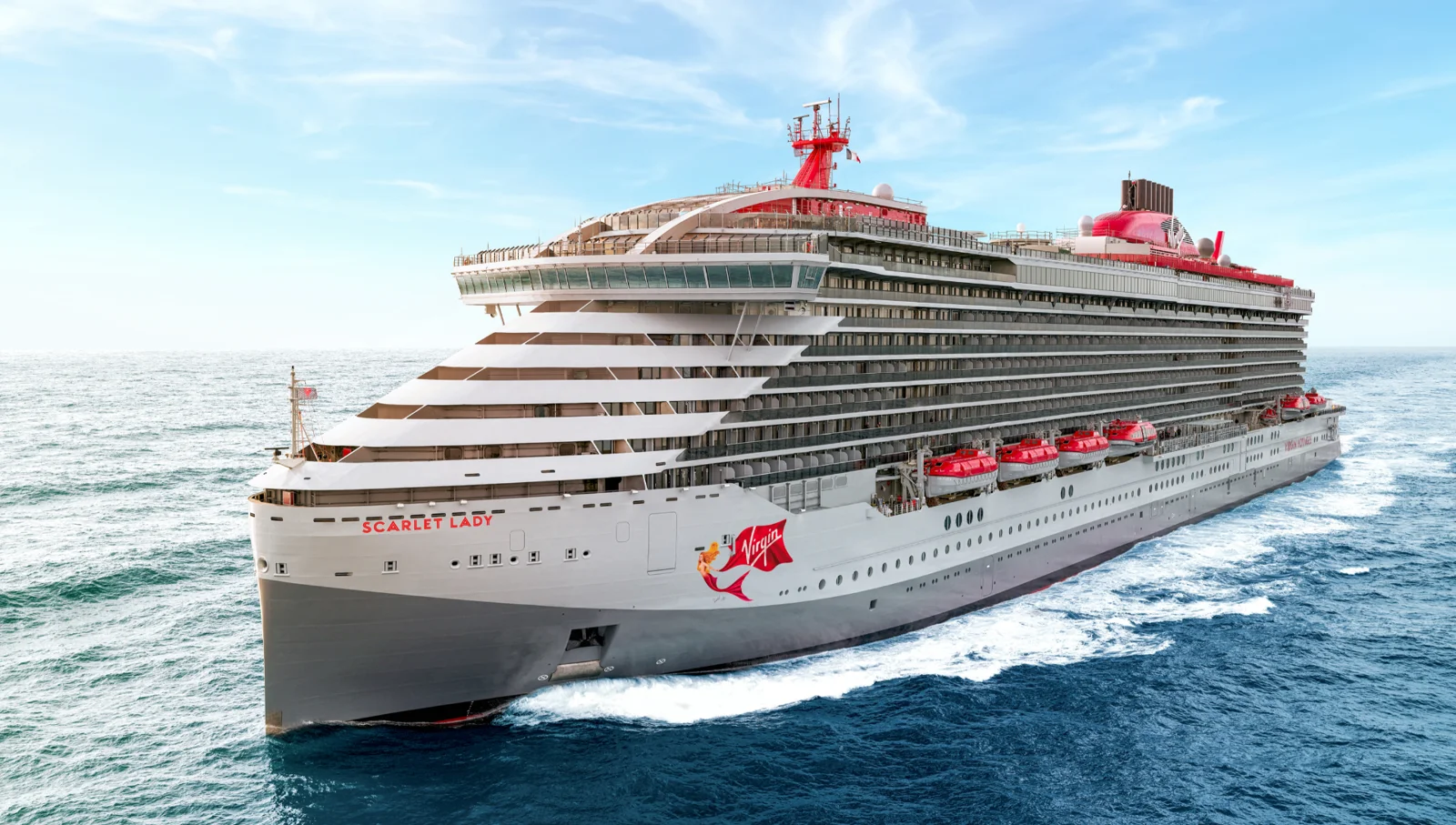
Is Virgin Voyages Worth It? 7 Reasons to Try It in 2027
Virgin Voyages folds dining, Wi-Fi, fitness and entertainment into one fare - and leaves gratuities, alcohol and excursions as extras. Here is how to decide if it fits your 2027 trip.
Read
How Far Ahead Should You Book Your Summer Trips?
Proven booking windows for summer flights, hotels, vacation packages, and rentals — so you pay less and still get the trip you want.
Read
How to Reduce Your Risk of Flight Delays and Cancellations This Summer (2026)
Direct flights, travel insurance, refund rights, flexible bookings, and backup plans. Practical ways to reduce your risk of flight delays and cancellations this summer.
Read